The Celtic Tree Zodiac
Birch
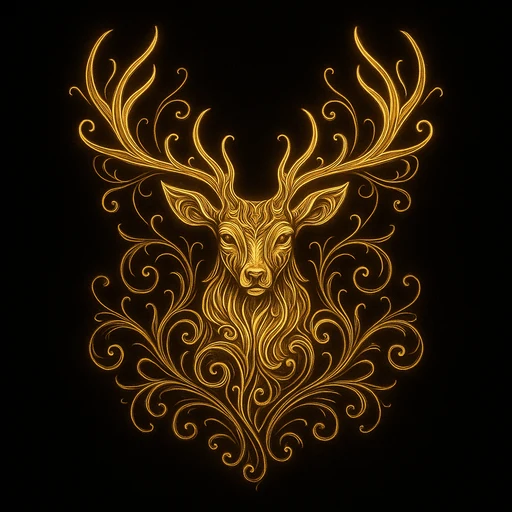 Birch
Celtic tree zodiac · Dec 24 – Jan 20 · Ogham Beith · the Stag
The first month of the Celtic tree calendar, the birch (Dec 24 – Jan 20), paired with the stag in the animal zodiac.
Birch is the tree of beginnings: renewal, fresh starts, and the quiet courage to try again after a hard season. Carrying the stag's pride, independence, and eye on the far horizon, it learns that a clean start reaches further with others walking beside it.
The First Tree
Birch holds the opening place in the Celtic tree calendar, governing the winter solstice threshold from December 24 through January 20. In the Ogham alphabet—that ancient Irish system of tree-lore and divination—it bears the name Beith, the word itself deriving from the birch's white bark, which gleams like bone or pearl against dark wood. The tree is native across the northern temperate zones: hardy, pioneer growth that arrives first in cleared or burned land, its papery white trunk distinctive and unmistakable. In the paired animal zodiac, the stag companions this season—the noble deer of winter woods, crowned with antlers, alert and solitary yet capable of great grace and speed.
Birch was treasured in Celtic cultures not for timber alone but as a marker of renewal. Its sap rises in earliest spring; its catkins appear before most other trees dare to leaf. To the Celtic mind, it was the tree that remembered what green meant when the world had forgotten. Druids are said to have used birch branches in ritual purification, and the tree became associated with cleansing, with the sweeping away of what no longer serves.
Meaning and Character
To be born in the birch season is to carry an instinct for fresh begins. This is not the impatience of spring haste; it is the quiet conviction that emerges after hardship, the knowing that winter ends. Birch people often possess both independence—that stag-like self-reliance—and an unexpected gentleness. They see far horizons and move toward them with intention, yet they are rarely harsh in their ambitions.
The birch speaks to those in transition: the ended marriage, the closed door, the season that has run its course. It does not minimize loss. Rather, it asks: what grows next? The stag's vigilance pairs with birch's pioneering nature to suggest a kind of watchful hope—the ability to stand alone while remaining open to companionship. This is the character of genuine renewal: not flight from the old, but the courage to tend what comes after.
Across the Ages
In Irish mythology, birch was woven into sacred custom. The ogham poem attributes to Beith the qualities of 'whiteness' and 'fairness,' and in the old texts the tree appears as a boundary-marker, a threshold guardian. Medieval Irish law tracts mention the birch among noble trees, worthy of recompense if felled. Scandinavian cultures, too, held it sacred—a tree of goddess-energy and feminine renewal, though the stag-association speaks to a masculine principle of sovereignty and sight.
Romans called it Betula and used the wood for fasces—the bundle of rods symbolizing authority and order restored. Pliny noted its use in ritual purification. Across these traditions runs a common thread: birch as the tree of fresh authority, of legitimate new beginnings, of crossing from one state into another with dignity and intention.
As a Mirror
Birch invites you to ask: What season have I just survived? And what small green thing might I tend into growth? It is not a promise of easy answers, but an invitation to notice your own quiet resilience. Do you carry the stag's independence yet doubt whether new ground is truly possible? Birch asks whether you have given yourself permission to begin again—not by pretending the past did not happen, but by recognizing that renewal is not the same as forgetting. What are you ready to sweep clean? What are you ready to grow?
Want to know what Birch means in your chart? The Eye reads it through your own birth sky.
Open your reading →